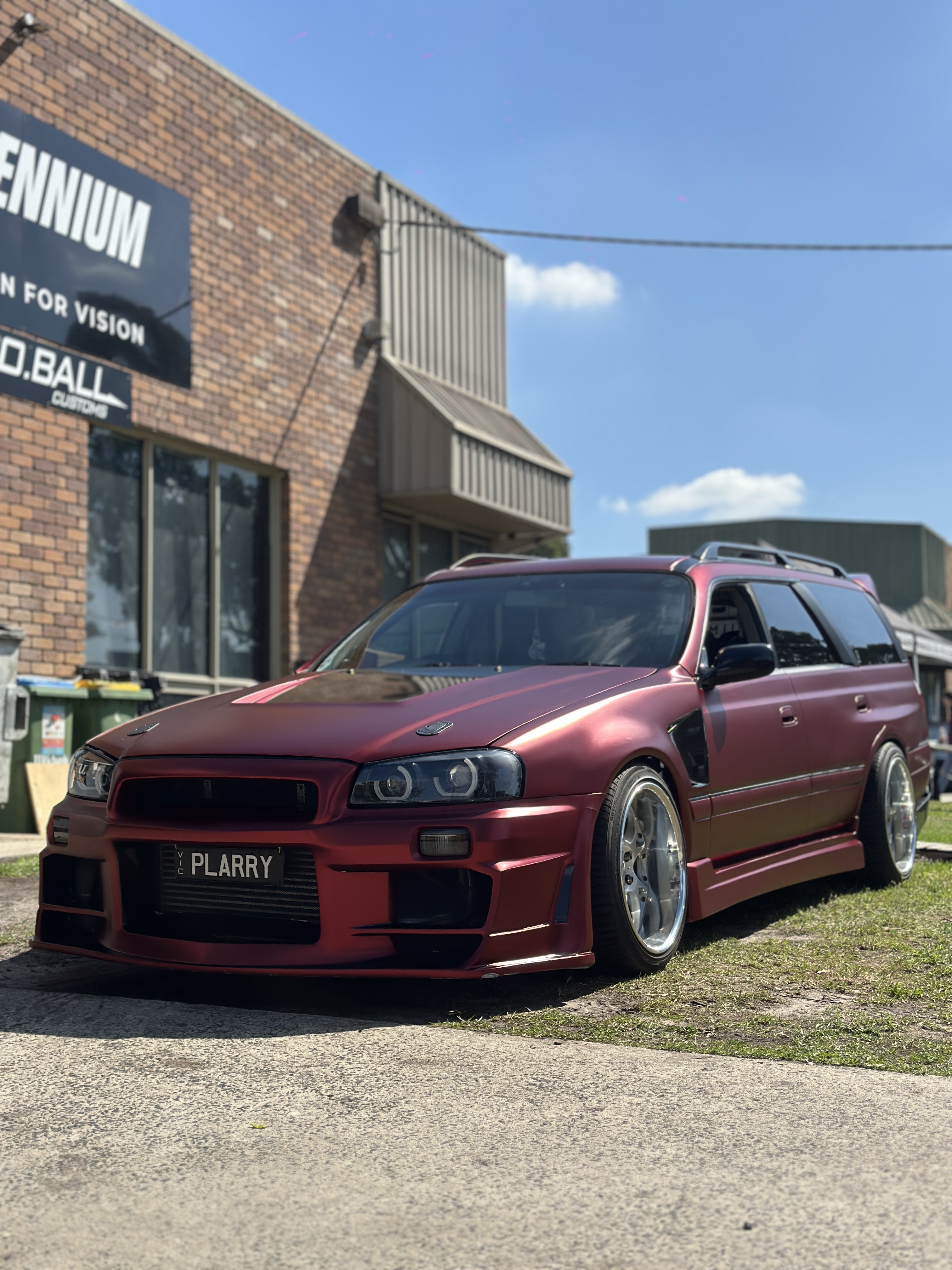
The bonnet is the best panel to start with if you're new to vinyl wrapping. It's large and flat, it's highly visible, and a good bonnet wrap can completely transform the look of a car on its own.
This guide covers the full process — from prep to finish — so you know exactly what you're getting into before you start.
What You'll Need
- Vinyl wrap film (2–3m is plenty for most bonnets)
- Heat gun
- Squeegee with felt edge
- Precision knife + fresh blades
- IPA solution (60:40 isopropyl alcohol to water)
- Microfibre cloths
- Masking tape (optional but helpful)
Step 1: Clean the Bonnet Thoroughly
This is the most important step. Any dirt, wax, grease or contamination under the film will cause bubbles and lifting later.
Spray the entire bonnet with your IPA solution and wipe down with a clean microfibre cloth. Do this twice. Pay extra attention to panel edges, badges, and any crevices where wax builds up.
If the paint has any embedded contamination, clay bar it first. The vinyl needs to bond directly to clean paint.
Let the panel dry completely before moving to the next step. IPA evaporates quickly — usually 5 minutes is enough.
Step 2: Measure and Cut Your Film
Open your roll of vinyl and measure out enough to cover the bonnet with 5–8cm of overlap on every edge. Don't cut it tight — you need the extra to work with.
Leave the backing liner on at this stage. Cut the film on a clean flat surface, not on the car.
Step 3: Position and Glass the Film
Remove the liner completely and hold the film over the bonnet with a person on each side if possible. Glass the film evenly across the panel — your primary goal at this stage is to eliminate any wrinkles or finger marks, focusing on the centre first. Work outward from the middle to the edges, letting the film settle flat before committing to any section. Don't press it down fully yet — you just want it sitting smooth and roughly aligned before you start squeegeeing.
Step 4: Apply with a Squeegee
With the liner fully removed, begin squeegeeing from the centre outward in smooth, overlapping strokes. Work methodically — centre first, then push toward each edge in turn.
Keep your squeegee strokes at a 45-degree angle, always working outward. This pushes air out rather than trapping it underneath. Take your time on this step — rushing leads to bubbles and creases that are harder to fix later.
Step 5: Handle the Edges and Curves
Most bonnets have a slight curve across the width and may have character lines or creases running along them. This is where the heat gun comes in.
For curves: use the heat gun on a medium setting to warm the film and make it pliable. Once warm, the film will stretch and conform to the contour without wrinkling. Use your fingers to smooth it into shape, then squeegee flat.
Step 6: Trim and Tuck the Edges
On the side edges and front of the bonnet, leave enough film to fold around and tuck underneath — about 5mm is ideal. Heat the film first so it wraps cleanly, then press it firmly against the underside of the bonnet lip. This gives a clean, finished look with no visible edge from the outside.
On the rear edge (closest to the windscreen), trim along the body line using a fresh blade in your precision knife. Cut with light pressure and multiple passes rather than forcing it through in one go. Follow the natural line of the panel.
For badges or vents, cut around them carefully and tuck where possible. Remove the trimmed excess and clean any adhesive residue with IPA.
Step 7: Post Heat
This step is critical and often skipped — don't skip it.
Use the heat gun to warm the entire bonnet one more time, focusing on edges and any areas you stretched the film. This activates the adhesive fully and ensures long-term adhesion.
Pay particular attention to wrapped edges and any areas where you used significant heat to stretch. Run your finger along all edges after heating to confirm they're firmly bonded.
Common Mistakes to Avoid
Not cleaning properly. Wax and silicone residue are the number one cause of bubbles and lifting. Clean twice.
Cutting the wrap too early. Don't trim edges or cut around panels until the film is fully applied and post heated. Cutting too early leaves you without the material you need to wrap and tuck properly.
Overstretching. Heat makes the film pliable, but there's a limit. If you're stretching more than about 30%, you're risking a thin patch that won't last. Work around compound curves in sections if needed.
Skipping post heat. Edges that aren't post-heated will lift within weeks.
How Much Film Do You Need?
For most bonnets, 2m of film at 1.52m wide is sufficient. If your bonnet is unusually long (utes, some SUVs) go with 2.5m to be safe.
If you want to match the bonnet to a roof or other panels, order enough for both at once — dye lots can vary slightly between rolls.
Read next: How to Install Vinyl Wrap — Full Car Guide