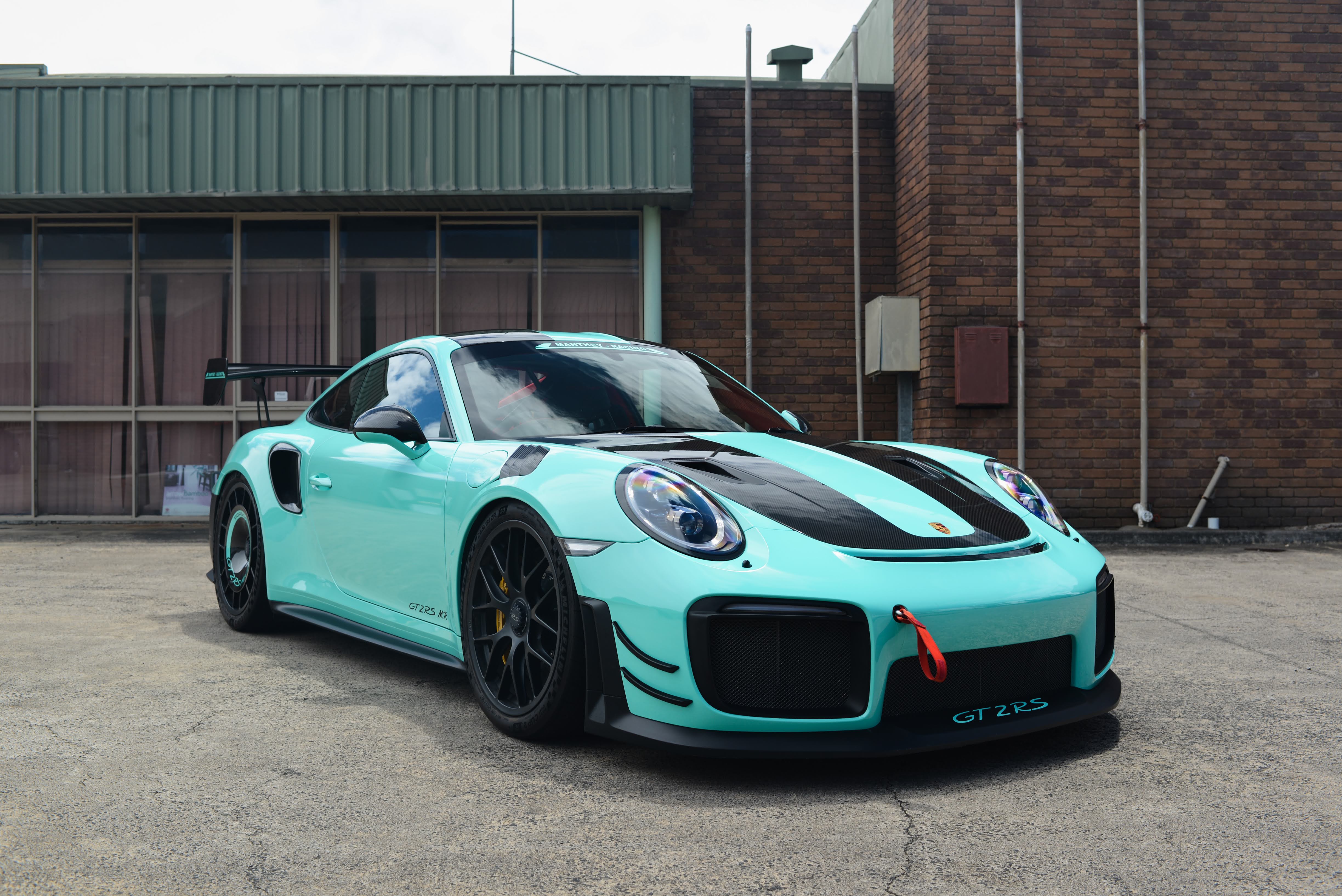
One of the biggest advantages of vinyl wrap is that it's fully removable. Done right, you can take a wrap off and have the original paint looking exactly as it did the day the film went on.
Done wrong, you can damage the paint or spend hours fighting adhesive residue.
Here's how to do it right.
What You'll Need
- Heat gun (or a good hair dryer for smaller panels)
- Plastic trim removal tool or soft plastic scraper
- IPA solution (60:40 isopropyl alcohol to water)
- Adhesive remover (3M or similar)
- Microfibre cloths
Don't use: metal scrapers, razor blades, or fingernails. These will scratch the paint.
The Golden Rule: Heat First, Always
Cold vinyl wrap is brittle. Trying to peel cold film will cause it to tear into small pieces, leave adhesive behind, and make the whole job ten times harder.
Heat makes the vinyl pliable and softens the adhesive, allowing the film to peel off in long, clean strips with minimal residue.
Use a heat gun on a medium setting (or a hair dryer on high). Hold it 5–10cm from the surface and move it constantly — don't hold it in one spot or you risk damaging the paint.
Step-by-Step Removal
Step 1: Start at a Corner or Edge
Find a corner, edge trim line, or panel gap where the film ends. Use your plastic scraper or trim tool to gently lift the corner of the film.
If the film won't lift easily, apply more heat. Never force it cold.
Step 2: Peel at a Low Angle
Once you have a corner lifted, grip the film firmly and peel it back at a low angle — around 15–20 degrees from the surface, pulling back toward the film rather than upward away from it.
Peeling at a low angle reduces the chance of tearing and helps the adhesive release cleanly. Pulling upward (90 degrees) is more likely to tear the film and leave adhesive behind.
Step 3: Keep Applying Heat as You Go
Work section by section. As you peel, keep the heat gun moving just ahead of where you're pulling — you want the film warm right at the peel point.
On large panels (bonnet, roof, doors), have a second person hold the heat gun while you peel if possible. It makes the job significantly easier.
Step 4: Remove Adhesive Residue
Even with perfect technique, some adhesive residue will be left on the paint. This is normal. It's not damaging, and it comes off easily.
IPA solution removes most fresh adhesive residue. Spray it on, let it sit for 30 seconds, then wipe firmly with a microfibre cloth.
For older wraps where the adhesive has hardened, use a dedicated adhesive remover (3M makes a good one). Apply, let it dwell, and wipe off. Always test on a small area first.
Never scrub aggressively. Let the chemical do the work, then wipe gently.
Step 5: Wash and Inspect the Paint
Once all adhesive is removed, wash the car thoroughly and inspect the paint. In most cases with a quality wrap that was properly installed, the paint will be in excellent condition — often better than surrounding areas that were exposed to UV.
If there are any marks, a light machine polish will address them.
What If the Wrap Tears?
Old wraps, cheap film, or film that's been on for a long time can tear when removed. If this happens:
- Don't panic. More heat is the answer.
- Apply heat until the remaining section is pliable again.
- Get your scraper under the edge and re-establish a clean peel.
- Work in smaller sections if the film keeps tearing.
If there's a lot of tearing and you're not making progress, a heat gun set slightly higher (but keep it moving) will help. You can also try a steamer if you have access to one.
How Long Does Removal Take?
For a full car wrap:
- Experienced: 4–6 hours
- First time: 6–10 hours
A single panel (bonnet, roof) takes 30–60 minutes.
Take your time, especially around badges, vents, and complex panel areas. Rushing is where mistakes happen.
Does Removal Damage the Paint?
With quality film and proper technique: no.
The exceptions are:
- Paint that was already in poor condition (peeling, chips, poorly adhered respray)
- Very old film (5+ years) where the adhesive has fully cured to the paint
- Film installed over fresh paint that hadn't fully cured
If you're unsure about the condition of the paint, start with a small, less visible section to test before doing a full removal.
Ready for a New Colour?
Once the old wrap is off and the paint is clean, the car is ready for a fresh wrap. You don't need to do anything else to the paint — just ensure it's clean and free of contamination before the new film goes on.