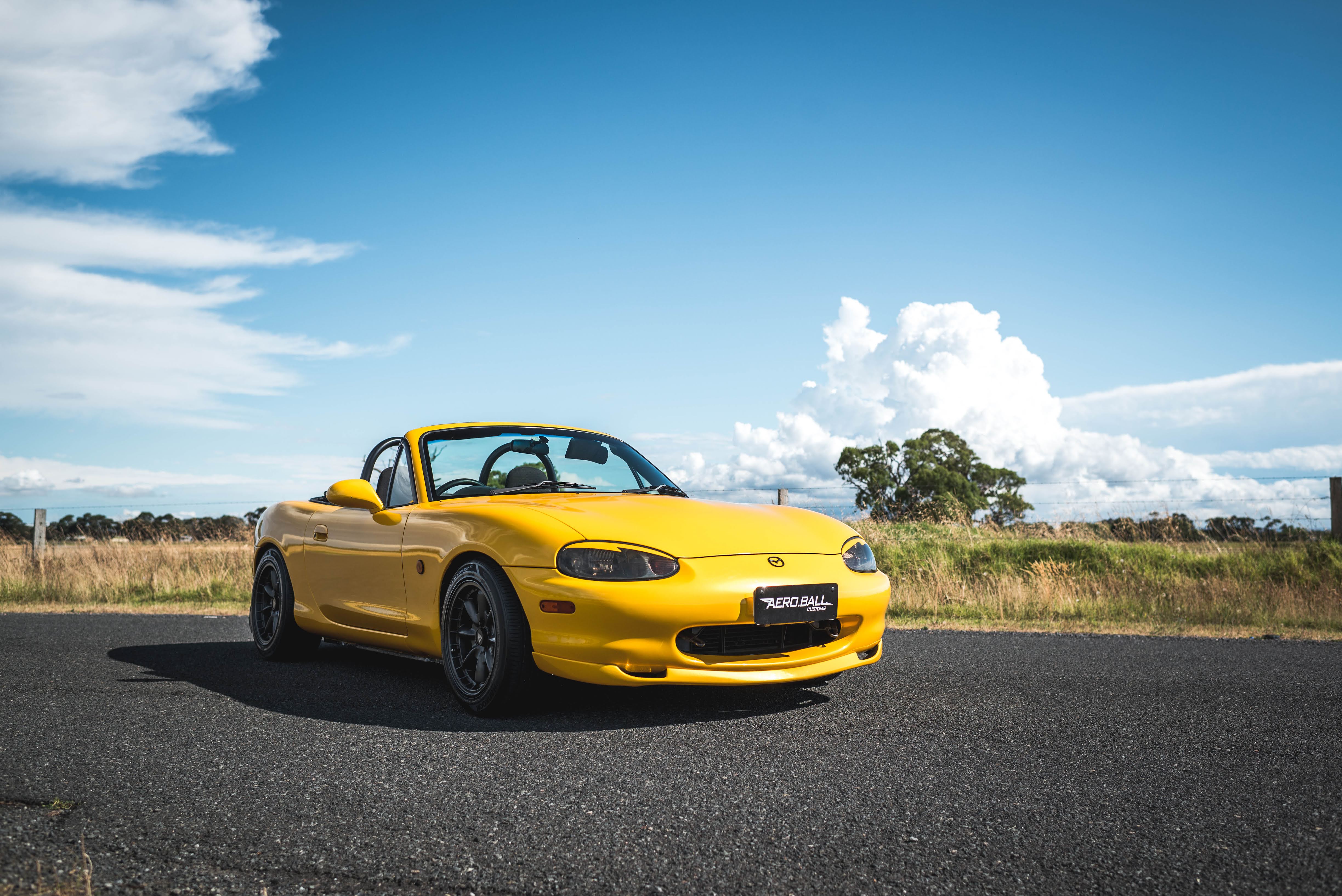
A quality wrap can last 4–5 years with proper care. The same wrap neglected can look tired in half that time. Maintenance isn't complicated — but there are a few things that will damage your wrap if you get them wrong.
Here's exactly what to do and what to avoid.
Washing
Hand wash is best. A two-bucket wash with a quality car shampoo and a soft microfibre mitt is the safest and most effective method. It lets you control the pressure, feel for any areas where the film might be lifting, and clean properly around edges and recesses.
Touchless auto washes are fine. Brushless, chemical-only washes won't damage the film. They're not as thorough as a hand wash but they're safe.
Brush car washes are not fine. The rotating brushes in traditional car washes will catch edges and begin to peel the film back. Avoid these entirely.
Pressure washers — use with care. A pressure washer is fine for the main surface at a reasonable distance (40–50cm). Never aim it directly at wrap edges at close range. High-pressure water forced under an edge will lift the adhesive. Angle the water parallel to edges rather than directly at them.
Products to Use
Gloss wraps: A standard pH-neutral car shampoo works well for washing. A light spray polymer sealant (like Turtle Wax Hybrid Solutions or similar) can be applied to gloss film and will add a layer of protection against UV and environmental contamination.
Matte wraps: Use a matte-specific detailer for both washing and maintenance. Do not use wax, polish, or gloss-enhancing products on matte film — they fill the micro-texture that creates the matte finish and leave glossy patches that can't be removed.
Both finishes: Avoid products containing silicone or petroleum distillates. These can soften the adhesive over time and cause the film to lift. Check labels before you use anything new.
Dealing with Contamination
Bird droppings and tree sap — remove immediately. Both are acidic and will etch into the film if left to bake in the sun. Soak with warm water or an IPA solution, let it dwell for 30 seconds, then wipe gently with a microfibre cloth. Don't scrub.
Fuel and oil splashes — wipe off immediately with IPA and a clean cloth. Don't let petroleum products sit on the film.
Hard water spots — if water spots dry onto the film (common after washing with hard water), use a dedicated water spot remover diluted appropriately, or a 1:1 IPA solution. Apply, let it dwell, and wipe gently.
Road tar — use a tar remover spray safe for painted surfaces. Apply, dwell, and wipe. Don't scrape.
Protecting the Wrap
Park in shade or a garage where possible. UV is the biggest factor in how quickly a wrap fades and degrades. A car that lives in the sun every day will see its wrap age noticeably faster than a garaged car. This single habit will extend your wrap's life more than any product.
Apply a sealant or detailer after each wash. On gloss film, a spray sealant takes 30 seconds and provides meaningful UV and contamination protection. On matte film, a matte detailer does the same job without affecting the finish.
Deal with lifting edges immediately. If you notice a corner or edge starting to lift, hit it with a heat gun on a medium setting and press it back down firmly. A lifting edge that's left alone will continue to peel. Caught early, it takes 30 seconds to fix.
What to Avoid
Wax on matte film. It ruins the finish and can't be reversed without removing the section.
Abrasive compounds or polishes. These are for paint, not vinyl. They'll scratch and dull the film surface.
Petrol or solvent-based cleaners on the film surface. IPA solution is the safe solvent for vinyl — anything stronger risks damaging the adhesive.
Leaving contamination to sit. Bird drops, sap, and fuel splashes all cause more damage the longer they're left. Clean them off as soon as you see them.
How Often to Wash
As a general rule — wash whenever it needs it. Bird drops and tree sap should be dealt with immediately regardless. For general dirt and grime, once a week on a daily driver is ideal. A show car or weekend car can go longer between washes.
After washing, a quick spray with your detailer or sealant adds protection in under a minute and is worth doing every time.
Inspecting Your Wrap
When you wash the car, take a few seconds to run your hand along the edges — bonnet lip, roof gutters, door edges, trim lines. You're feeling for any areas where the film has started to lift. Catch them early and you can re-heat and press them back down. Leave them and they become a much bigger problem.
If the wrap is ageing well, it should feel tight and bonded at every edge with no lifting or bubbling. A wrap that was installed properly and maintained well should still look close to new at the two-year mark.